

Anxiety: What Triggers It and How Hypnotherapy Helps
Anxiety is something many people live with, often silently. It can affect sleep, concentration, confidence, and even relationships. Anxiety causes people to do less, achieve less and avoid more.
Behind every anxious response lies a a trigger often rooted in past experiences or unprocessed emotions.
Hypnotherapy for anxiety and getting to the root cause is one of the keys to change.
As a clinical hypnotherapist and psychotherapist with over 20 years experience, I have worked with hundreds of people who thought anxiety was something they simply had to live with. The truth is: it’s not. Once we identify and address the root cause with hypnotherapy, healing is possible.
Types of Anxiety
Anxiety can show up in many forms. Understanding the different types can help you recognise your own experiences and begin to see that you’re not alone, and that support is available.
Generalised Anxiety Disorder (GAD)
This is a constant feeling of worry, nervousness or dread, even when there’s no obvious reason. People with GAD often describe a mind that “won’t switch off,” especially at night. They regularly say things like “I’ve always been a worrier” or “I worry about everything”.
In therapy, we work together to uncover the underlying beliefs or past events fuelling this constant sense of unease. Hypnotherapy is particularly effective for calming the nervous system and creating a sense of inner peace.
Social Anxiety
Social anxiety goes beyond shyness. It can create intense fear of being judged, embarrassed or rejected in social settings. This can hold people back from friendships, work opportunities and everyday interactions.
Clients often tell me how they’ve avoided social situations for years. Through a combination of enhanced CBT psychotherapy and analytical hynotherapy, we gently explore when these fears first began, often during the developmental years of childhood. Hypnotherapy helps rewire those responses and build new confidence.
Panic Attacks
Panic attacks come suddenly and can feel terrifying with a racing heart, shortness of breath, chest pain or dizziness. Often, there is a fear of the next attack, which creates a cycle of worry and avoidance. Many people describe how they call an ambulance feeling so certain that they are going to have a heart attack, stroke or faint. The aftermath is to live in fear of a panic attack reoccurring and then the fear of an other attack causes even more anxiety.
With the right support, I’ve seen people go from panic attacks and fear of having a panic attach to a sense of feeling in control. Together we identify the original source of fear stored in the mind and body and use regression hypnotherapy to resolve it at its core.
Phobias
A phobia is an intense fear of a specific object or situation—like needles, flying, spiders, or enclosed spaces. Often, people know the fear is irrational, but it feels impossible to control.
In sessions specific techniques to understand where the phobia began, often a forgotten or childhood event. Hypnotherapy helps replace the fear with calm and rational responses.
Health Anxiety (Hypochondria)
This type of anxiety is marked by persistent worry about health—even when medical tests offer reassurance. It can be exhausting and impact daily life.
Health anxiety often arises from a fear of loss, illness, or a past traumatic event. Together we trace the emotional root, work with it gently through health anxiety enhanced CBT tools to restore a sense of safety in the body.
Obsessive-Compulsive Disorder (OCD)
OCD involves intrusive thoughts and repetitive behaviours (like checking or cleaning) that are difficult to stop, even when they cause distress.
OCD is often a way the mind tries to gain control when life feels unpredictable. I help clients understand what the compulsions are trying to protect them from and use tailored hypnotherapy techniques to break the cycle and ease the mind.
Post-Traumatic Stress (PTSD)
PTSD can develop after a person experiences or witnesses a deeply distressing event, such as an accident, assault, loss, or childhood trauma. It often includes flashbacks, nightmares, heightened alertness, and a sense of emotional detachment. Many people with PTSD don’t always connect their current symptoms to the past experience.
In my practice, I’ve helped many clients gently process traumatic memories using a blend of hypnotherapy and psychotherapy trauma-informed protocols. We create a safe space to heal the emotional imprint of the trauma.
The Power of Finding the Root Cause of Anxiety
In all forms of anxiety, the symptoms are messages from the body and mind, signalling unresolved emotions, unmet needs, or past traumas. Hypnotherapy is not just about managing the symptoms. It’s about healing what lies beneath.
Over the past two decades, I’ve learned that the most lasting change comes when we stop asking, “What’s wrong with me?” and start asking, “What happened to me?”
Using a combination of analytical hypnotherapy, psychotherapy and mind-body techniques, we gently explore these roots in a safe, compassionate space. Many clients are surprised by how deeply these sessions unlock emotional insights and bring lasting relief, even after years of suffering.
You Don’t Have to Live with Anxiety
If you are experiencing anxiety, whether it’s constant, situational or something you can’t quite name, know that there is a reason for it, and more importantly, a path out of it.
Hypnotherapy offers you the space to understand yourself more deeply, heal what hurts, and rediscover calm, confidence and clarity.
I’m here to walk that journey with you.
Warmly, Sinéad Duffy
Hypno-Psychotherapist, Monaghan
+353872455900

How Hypnotherapy Helps With Childhood Trauma

If you feel like you are carrying emotional pain from your past, whether in the form of low self-worth, anxiety, or difficulties in relationships, your childhood experiences may be affecting you.
When emotional needs in childhood go unmet, it can leave a lasting impact that follows us into adulthood.
The good news is that it is never too late to heal those old wounds. Hypnotherapy offers a powerful way to release emotional childhood trauma and feel good.
During childhood, we rely on our caregivers to meet our emotional needs for love, nourishment safety, and validation. When those needs are not met for whatever reason, children adapt to survive. These coping mechanisms, while necessary at the time, often create patterns that follow us into adulthood and limit our ability to thrive.
- Low self-worth: If you grew up without consistent love or validation, you may struggle with feelings of inadequacy, constantly seeking approval from others to feel worthy.
- Difficulty in relationships: Unmet needs in childhood can lead to fear of intimacy, trust issues, or emotional distance in adult relationships. You may struggle to form deep, meaningful connections or fear abandonment.
- Perfectionism and people-pleasing: When children do not feel valued, they often learn to seek approval through perfectionism or people-pleasing, always trying to meet others’ expectations to feel secure.
- Chronic anxiety or numbness: Childhood trauma can lead to living in a constant state of anxiety or emotional detachment, as your nervous system stays on alert to avoid further pain or disappointment.
These behaviours are often deeply ingrained and difficult to change on your own because they are tied to emotional wounds stored in your subconscious. Sometimes we simply have no awareness of what we are doing because we have been doing it for so long. However, with the right therapeutic approach, you can heal and move beyond the patterns that no longer serve you.
The Path to Healing Through Emotional Release
Healing from unmet childhood needs is not about understanding what happened; it is about releasing the emotional pain that has been felt and repressed in your mind and body for years.
The emotions that were too overwhelming to process at the time—such as fear, sadness, or anger—are often repressed, affecting your thoughts, behaviours, and even physical health.
Hypnotherapy is a powerful tool for releasing these suppressed emotions. By working directly with the subconscious mind, hypnotherapy allows you to access and heal emotional pain in a safe and supportive environment.
Why Hypnotherapy is Effective in Releasing Emotional Trauma

Hypnotherapy for childhood Trauma
Hypnotherapy works by guiding you into a deeply relaxed state where the conscious mind—the part that often blocks painful memories and emotions—steps aside. In this relaxed state, the subconscious becomes more accessible, allowing you to release old emotional pain and rebuild healthier beliefs and behaviours.
How hypnotherapy can help:
- Accessing suppressed emotions: Hypnotherapy allows you to safely access emotions. By bringing these emotions to the surface, you can finally acknowledge and release them, freeing yourself from their grip.
- Creating a safe space for healing: In a hypnotherapy session, you are guided through your memories and emotions in a safe, supportive environment. This helps you revisit painful childhood experiences without fear or judgment, allowing for deeper healing.
- Healing the inner child: Often, the emotional wounds we carry come from the younger version of ourselves—the inner child who still holds the pain of unmet needs. Hypnotherapy helps you connect with that inner child, offering them the love, care, and validation they didn’t receive growing up.
- Reprogramming limiting beliefs: Once you have released old emotional pain you are ready to create powerful, beneficial thoughts and feelings that serve you replacing old feelings such as “I’m not good enough” or “I don’t deserve love”—with new, empowering beliefs that reflect your true worth.
The Benefits of Engaging in Therapy
- The process of healing from childhood trauma is liberating. As you release old emotions and rebuild your sense of self, you will begin to experience a profound shift in how you live and interact with the world.
- Greater emotional freedom: By releasing the emotional pain stored in your subconscious, you will feel lighter, more present, and less weighed down by the past.
- Improved relationships: Healing old wounds allows you to form healthier, more fulfilling relationships. You will no longer feel the need to prove your worth or fear vulnerability in your connections with others.
- Enhanced self-esteem and confidence: As you reprogram your subconscious with healthier beliefs, you’ll begin to see yourself in a new light—one of self-compassion, confidence, and worth.
- Reduced anxiety and stress: Once your emotional wounds are addressed, you will experience a reduction in anxiety and stress, allowing you to live with more peace and calm.
Take the First Step Towards Healing
If you are struggling with low self-worth, anxiety, or difficulty in relationships, unmet childhood needs may be playing a larger role than you realise. Maybe now is the time for change.
Therapy offers a compassionate and effective way to release the emotional pain of the past and begin living with greater freedom and authenticity.
Healing is a journey, and each step you take brings you closer to the life you deserve, one where you feel worthy, loved, and emotionally free. If you are ready to start your healing journey, hypnotherapy can provide the support and tools you need to finally let go of the past and enjoy living your life.
Healing from Childhood Trauma is Liberating
Sinead Duffy, Hypnotherapist & Psychotherapist
+353872455900
Enhancing CBT with Hypnotherapy
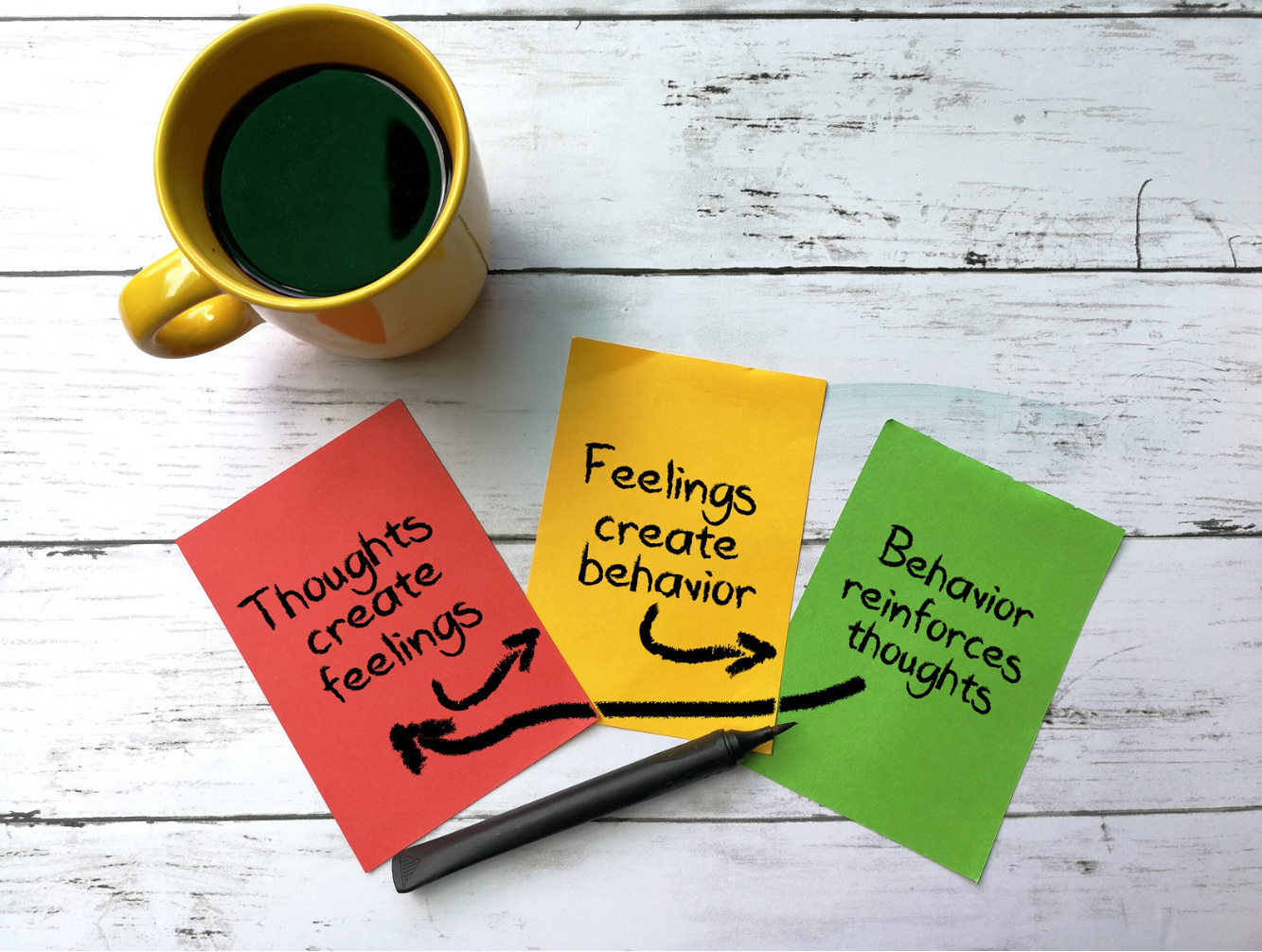
In the world of psychology, new approaches continually emerge, offering new pathways to healing and personal growth. One such approach gaining attention is Enhanced Cognitive Behavioral Therapy (CBT) whereby aspects of hypnotherapy and CBT are used together. This dynamic combination integrates the principles of traditional CBT with the profound effects of hypnosis, creating a powerful tool for therapists and clients alike.
At its core, CBT focuses on the connection between thoughts, feelings, and behaviors. By identifying and challenging negative thought patterns, individuals can transform their emotional responses and actions, leading to improved mental well-being. Hypnotherapy, on the other hand, harnesses the power of deep relaxation to access the subconscious mind, where underlying beliefs and emotions reside.
How Does Hypnotherapy-Enhanced CBT Work in Practice?
- Deep Relaxation: Through hypnosis, clients enter a state of deep relaxation, enabling them to access a heightened state of awareness and receptivity. This relaxation serves as a foundation for therapeutic work, fostering a sense of calm and safety.
- Exploring the Subconscious: Hypnosis allows therapists to delve into the subconscious mind, where deeply ingrained beliefs and memories are stored. By accessing this level of awareness, clients can gain insight into the root causes of their issues, paving the way for profound healing.
- Enhanced Imagery: Hypnosis amplifies the power of imagery techniques commonly used in CBT. Clients can vividly visualise positive outcomes, confront fears, and rehearse new behaviours, making cognitive restructuring more impactful and transformative.
- Behavioural Rehearsal: Hypnotherapy facilitates mental rehearsal, empowering clients to practice new behaviours and coping strategies in the safety of their imagination. This rehearsal builds confidence and resilience, preparing clients for real-life challenges.
- Empowerment and Self-Efficacy: Through the process of Enhanced CBT with hypnotherapy, clients develop a deeper understanding of their thoughts, emotions, and behaviours. This self-awareness fosters a sense of empowerment and self-efficacy, empowering clients to take control of their lives and make positive changes.

By integrating the strengths of both CBT and hypnotherapy, a comprehensive and holistic approach is available to address psychological issues. This blend of modalities opens doors to new possibilities for healing, growth, and well-being.
To book your CBT and hypnotherapy session contact me.
#CBT #Hypnotherapy #EnhancedCBT #MentalWellness #HypnotherapyMonaghan #PsychologicalHealing #SubconsciousMind #TherapeuticInnovation #SelfDiscovery #HolisticApproach #EmotionalWellBeing #PositiveChange #TherapistInsights #MindBodyConnection #PersonalGrowth #TherapeuticTechniques

A panic attack is a sudden and intense feeling of terror, fear, or apprehension, without the presence of actual danger. The symptoms of a panic attack are very intense with sudden onset. Panic attacks usually peak and subside within 10 minutes. Physical responses in the body include palpitations, dizziness, sweating, choking, trembling or shaking and breathlessness.
During a panic attack, a person may feel as though they are suffocating, having a heart-attack or indeed dying. Sufferers of panic attacks feel their symptoms so intensely that they call emergency services for help and following physical examination paramedics can find nothing wrong.

According to the Diagnostic and Statistical Manual of Mental Disorders, Fifth Edition (DSM-5)
A panic attack is characterised by a “surge of intense fear or intense discomfort that reaches a peak within minutes”
Symptoms of Panic Attacks
The experience can vary from one person to the next, but some of the most common symptoms include:
- Chest pain or discomfort
- Chills or hot sensations
- Feeling of choking
- Feeling dizzy, unsteady, lightheaded, or faint
- Fear of dying
- Fear of losing control or going crazy
- Feelings of being detached from oneself
- Nausea or abdominal distress
- Numbness or tingling sensations
- Palpitations, pounding heart, or accelerated heart rate
- Sensations of shortness of breath or smothering
- Sweating
- Trembling or shaking
Treatment for Panic Attacks
Evidence based clinical hypnotherapy and psychotherapy is effective in the treatment of panic attacks. It focuses on:
– Alleviatingthe underlying anxiety triggering panic attacks
– Minimising the occurrence of panic attacks
– Reducing the persistent worry about having additional panic attacks
– Removing the need for avoidant safety behaviours and activities
Hypnotherapy and Psychotherapy Clinic Reopens After Covid 19 Lockdown
 Welcome Back!

I am delighted to be reopening my clinic on Wednesday 1st July 2020 and look forward once again to meeting people in person. Whilst it has been wonderful to have had online video calling facilities available for therapy, I have missed the presence and warmth of personal connections.
Face-to-Face Therapy
Hypnotherapists and psychotherapists around the country are getting their clinics ready in line with guidance from Government. Significant planning and preparation has been undertaken to ensure you safety and comfort.
All necessary precautions will be taken including:
- Hygiene and health protocols
- Cleaning and disinfecting protocols
- Social distancing measures
The layout of the clinic has changed to facilitate social distancing. Desks, chairs and other equipment will be sanitised between sessions and masks will be provided for use.
Online Therapy Sessions
Online therapy sessions will continue to be available. Whether you prefer not to travel or are time restricted online therapy sessions can begin from the comfort of your own home.
To book an in-person or online session contact me.
The Emotional Impact of Lockdown
 Many of us have felt fearful and anxious as the coronavirus Covid19 spread around the world. It quickly reached our neighbourhoods and impacted directly on our lives. We have worried about our relatives and feared for those with underlying health conditions. While some of us felt alone and vulnerable in isolation others are grieving the loss of their loved ones. Many people have lost their jobs and some have seen their family business close.
There has been a collective trauma, one we can talk about and share our experience of with friends and family, but what about individual traumas that people suffer alone? The intensity of lockdown triggered feelings and emotions that have been repressed for years. Anxieties have played out in peoples’ dreams as they slept at night whilst others tossed and turned trying to sleep.
Emotional suffering can burden and torture the human psyche. Unfortunately, during times of distress we seek solace in all the wrong places. Contentment and peace of mind will never be found in food, alcohol, drugs, porn, gambling, smartphones or other distractions.
Psychological problems such as depression, anxiety or other difficulties do not occur in a vacuum. Lockdown may have triggered unwanted thoughts, feelings and behaviours and even stirred up repressed emotions. Maybe that is an indication that it is time to treat the underlying cause of distress.
The primary aim of therapy is to identify and resolve the underlying originating cause of distress. If untreated stressful and traumatic experiences become problematic unwanted symptoms of anxiety and depression.
“Our anxiety does not empty tomorrow of its sorrows, but only empties today of its strengths.”
―
Insomnia and Sleepless Nights – How to Gain Freedom from Lack of Sleep
 If you are reading this you are probably already too familiar with insomnia and sleepless nights. Experts believe that one in three of us suffer from insomnia or sleep related problems at some stage in our lives. According to the “Truth About Sleep BBC Documentary” we are sleeping almost 2 hours less than we were 60 years ago. 40% of the population are actually getting less than 6 hours sleep per night.
Sleep is a much studied subject and countless researchers and physicians worldwide continue to study the negative affects of lack of sleep. Stanford University state that there are over 100 different types of sleep disorders ranging from difficulty sleeping at night to problems with excessive daytime sleepiness.
When peoples’ lives are greatly affected by sleep deprivation and they just want to know what they can do about it so that they can get to sleep naturally.
What is Insomnia?
 Insomnia is defined as a difficulty falling asleep, difficulty staying asleep, waking up too early, or not getting restful, restorative sleep.
Acute insomnia is defined as insomnia that lasts a few weeks and is usually the result of emotional or physical stress or anxiety.
Chronic insomnia is defined as difficulty sleeping for at least 3 nights a week or more for more that 1 month and is often associated with medical or psychological disorders.
How Does Lack of Sleep Affect Your Health?
Everybody has a broken night’s sleep every now and then but when it happens more often it may be affecting your overall health.
Symptoms of insomnia include lack of energy, problems with memory or concentration, daytime sleepiness, impairments to attention and memory, poor performance and problems with family due to irritability. Lack of sleep alters a person’s mood and can predispose then to anxiety, depression and other mood related disorders.
There is lots of evidence to show that lack of sleep can also contribute to weight gain and type 2 diabetes, as people reach for carbohydrate and sweet foods as their glucose levels have been affected by lack of sleep.
Our thoughts, feelings and beliefs about sleep play an important role in getting a comfortable nights sleep. Whether you lie awake worrying about the future or ruminating about the past everyone can learn the skill of stilling the mind. If reoccurring dreams keep you awake, then perhaps your mind is trying to resolve something that therapy can further facilitate.
Hypnotherapy and Psychotherapy for Insomnia and Sleep Related Problems
 There’s lots of evidence supporting hypnotherapy and psychotherapy is one of the most effective ways of treating insomnia and sleep related problems. The word hypnosis is from the Greek god of sleep and is effective in training the mind and body to relax deeply. The treatment for insomnia includes the use of therapeutic interventions to establish and ultimately ease the conscious or subconscious reasons why you may like awake at night.
“I love sleep. My life has the tendency to fall apart when I’m awake, you know?”
– Ernest Hemingway
Poor sleep, insomnia and sleep related problems can have a huge impact on your health and wellbeing, leaving you feeling exhausted and worn-out.
If you are not getting adequate or restorative sleep and would like to find out how hypnotherapy and psychotherapy can help.

Help your Child Overcome Anxiety, Fears or Habits
 It is extremely distressing to witness your child experiencing something difficult whether it is anxiety, bedwetting, bullying, social anxiety, a traumatic event, exam stress, fear of flying or indeed grief following the loss of a loved one. Parents often do not know where to turn to find appropriate help. Hypnotherapy can provide solutions to some of the most challenging issues that children may experience. Hypnosis has long demonstrated its effectiveness in facilitating approaches used in psychotherapy.

Hypnotherapy for Children
Children respond exceptionally well to hypnotherapy. Their creative imaginations, love of magic and ability to be in the present moment allows them to engage fully in therapy. Children are naturally open to new ideas and experiences and can make remarkable progress relatively quickly. They can overcome fears, release emotions and break habits much more easily than adults.
How does Hypnotherapy Work with Children?

Hypnotherapy for Children
The focus of the treatment will be established at the outset, clarifying the presenting problem and how hypnotherapy can help. Sessions are unique to each child and the therapeutic techniques and strategies used will be specific to the child’s problem, age and stage of social and cognitive development.
Parents are invited to remain present with their child throughout the duration of the session. In the case of older children and adolescents consent is required before treatment can begin. It is really important that your child feels safe and secure during therapy and that they are speaking to someone that they can trust.
Thankfully, younger children do not have the same misconceptions about hypnosis that adults have learned
from performing hypnotherapists on TV, therefore they respond readily and make progress.
Your child’s imagination, curiosity and sense of adventure will be used in order to desensitise fears and overcome difficulties. They can release unwanted emotion and overcome negative experiences. Metaphorical stories, drawings, visualisations, games and other tools may also be used.
The hypnotherapy sessions for children are approximately one hour long. A good indication of the number of sessions needed can be given based on assessment of each child on their initial visit.
Children’s Issues Treated in Hypnotherapy
Parents seek hypnotherapy and psychotherapy for their children in order to solve cognitive, emotional and behavioural issues. Below is a summary of the treatments available. If you have a query about something that is not listed, please do not hesitate to get in touch.
Anger
Bedwetting (Enuresis)
Behavioural Problems
Bullying
Confidence Issues
Depression
Exams Stress
Encopresis
Exam Nerves
Fears
Low Self-Esteem
Nail Biting
Nervousness
Night Terrors
Obsessive Thoughts and Compulsive Actions
Panic Attacks
Performance Anxiety
Phobias
Post-Traumatc Stress
Self-Harm
Separation Anxiety
Shyness
Speech Issues
Sleeping Difficulties
Thumb Sucking
Tics and Habits
Trauma
Weight Issues
Help your child overcome anxiety, fears, or habits through gentle, evidence-based hypnotherapy in a safe, supportive setting.
Watching your child struggle can be heartbreaking, but you don’t have to face it alone. At Hypnotherapy for Health, I use gentle, evidence-based hypnotherapy to help children release fears, build confidence, and restore calm.
Every session is tailored to your child’s unique needs, ensuring a safe, caring, and empowering experience.
Warmly, Sinéad Duffy
Hypno-Psychotherapist, Monaghan
+353872455900
How OCD Interferes with Daily Living
Hypnotherapy for OCD: A Natural Way to Break Free from Obsessive Thoughts and Compulsions
If you live with Obsessive Compulsive Disorder (OCD), you know how overwhelming intrusive thoughts and repetitive behaviours can be. These unwanted thoughts often create intense anxiety, which leads to compulsive actions that you feel driven to perform to ease that anxiety. Unfortunately, the relief is usually short-lived, and the cycle begins again.
This loop of anxiety, obsessive thinking, and compulsive behaviours can interfere with daily life and make it feel exhausting. Anyone who suffers with intense anxiety will tell you how it can feel more draining than a days physical work.

Hypnotherapy and CBT Treatment for OCD
.
What Is OCD and How Does It Affect Daily Life?
OCD affects around 2–3% of the population, with symptoms often beginning in childhood and early adulthood. It impacts both men and women and can take many forms, from obsessive cleaning, excessive handwashing, checking, hoarding to intrusive distressing unwanted thoughts.
Many public figures have opened up about living with OCD, including David Beckham, George Ezra, Justin Timberlake, Charlize Theron and Howie Mandel helping to reduce the stigma and encouraging others to seek help. Living in OCD can interfere with work, study, relationships, confidence and self-worth
Common Types of OCD Symptoms
Obsessions – Unwanted, Anxiety Causing Thoughts
- Fear of causing harm (aggressive thoughts)
- Fear of contamination (germs, dirt, illness)
- Unwanted sexual or religious thoughts
- Obsession with symmetry or exactness
- Health anxiety or body image fixation
- Hoarding and excessive collecting
Compulsions – Repetitive Actions to Reduce Anxiety
- Excessive cleaning or handwashing
- Checking locks, switches, or appliances repeatedly
- Repeating words, prayers, or actions
- Counting or doing things a specific number of times
- Arranging or ordering items in a certain way
- Mental rituals such as silent repetition or reviewing past events
How Can Hypnotherapy Help with OCD?
Hypnotherapy and psychotherapy are effective tools for managing OCD. Unlike medication, hypnotherapy works to gently uncover and address the underlying anxiety that drives obsessions and compulsions. It helps rewire the brain’s stress response by interrupting the repetitive loop that overrides logical thinking.
Hypnotherapy offers an effective natural, empowering solution to the overwhelming feelings of OCD.
Start Your Healing Journey
If you’re struggling with OCD and looking for support that addresses both the mind and body, hypnotherapy may be the solution you’ve been searching for.
Hypnotherapy and psychotherapy is an effective treatment available for those suffering with the debilitating effects of anxiety related OCD. The aim of the approach used in hypno-psychotherapy is to address the cause of the anxiety and to interrupt the continual looping that is overriding the brain’s frontal thinking cortex. This looping referred to is shown in the circular OCD diagram above.
I’m Sinead Duffy, a Clinical Hypnotherapist and Psychotherapist based in Monaghan Town, with over 20 years’ experience helping clients break free from anxiety, emotional pain, trauma, obsessive thoughts, and compulsive behaviours.
Let’s work together to restore calm, confidence, and peace of mind.
Gain Freedom from Social Anxiety
What Is the Best Therapy for Social Anxiety?
It’s completely normal to want to make a good impression in social settings. In fact, mild anxiety in social situations is part of being human. But when the fear of being judged, rejected, humiliated, or embarrassed becomes overwhelming, it may be a sign of social anxiety disorder.

Free from social anxiety. Live calmly, confidently and authentically you
For many, social anxiety doesn’t just cause discomfort — it can disrupt everyday life. It can prevent people from forming relationships, attending events, or progressing in their careers. The good news is, with the right approach, social anxiety is highly treatable.
What Does Social Anxiety Feel Like?
- Excessive fear of negative judgment
- Avoidance of social situations
- Physical symptoms such as blushing, sweating, or trembling
- Overthinking before, during, and after social interactions
- Low self-esteem and feelings of inadequacy
Many would prefer to be anywhere else than at a party, a work event, or even a small group gathering. The internal stress can be exhausting, and over time, these patterns can lead to isolation, burnout, and shame.
The Roots of Social Anxiety
It is important understand our conditioning in the critical years of youth. People often suppress their true feelings to please others in childhood. It may have been used as a survival mechanism when younger, a way to please the adults in our lives, but it can result in lifelong patterns of social anxiety, people-pleasing and emotion disconnection.
“We develop social anxiety when we believe that who we are is not acceptable to others. We become afraid to be seen.”
What Is the Best Therapy for Social Anxiety?
The most effective outcomes come from an integrated blend of therapies suited to each person.
As someone who has worked with people for over 20 years, I understand how unique every person’s story is. No two people are the same — and so no two approaches should be either. Whether your anxiety began in childhood or has been triggered more recently, your experience with be heard, understood, and gently supported.
If you’re searching for social anxiety help near me, here are the therapeutic approaches I combine to support lasting change — based on what will suit you best.
“When we suppress our unique selves growing up in order to fit in, we experience anxiety, depression, and a loss of self.”
Top Therapies for Social Anxiety
1. Hypnotherapy
Hypnotherapy helps quiet the inner critic and tap into your subconscious patterns. It’s a gentle yet powerful way to:
- Reduce automatic fear responses
- Reframe limiting beliefs
- Build calm, confidence, and ease
2. Psychotherapy
Sometimes we just need a safe space to talk — without judgment. Psychotherapy offers just that, and helps you to:
- Understand the roots of your anxiety
- Rebuild your sense of self-worth
- Feel seen, validated, and supported
3. Analytical Hypnotherapy
This is deeper work — especially valuable when social anxiety is linked to old emotional wounds. Together we can:
- Access the origin of long-standing fears
- Release emotions that no longer serve you
- Strengthen your authentic sense of self
4. Cognitive Behavioural Therapy (CBT)
If you’re someone who constantly overthinks or expects the worst, CBT can help you:
- Recognise and shift unhelpful thinking patterns
- Respond to social situations with more ease
- Develop practical tools to manage anxiety
5. Counselling
Sometimes, what we need most is to feel truly heard. Counselling provides a supportive space to:
- Explore what’s going on beneath the anxiety
- Receive gentle, consistent support
- Discover your own wisdom and strength
Looking for Social Anxiety Help Near Me?
If you’re ready to overcome the fear of being judged and start living with more confidence, connection, and calm — I’m here to help.
With two decades of experience as a therapist, I’ve worked with so many people who felt just like you do now — anxious, overwhelmed, and afraid to be seen. It’s my privilege to help you understand where your anxiety comes from, release the fear, and step back into your life feeling more grounded and whole.
If you’re searching online for “social anxiety help near me”, know you’ll be met with warmth, respect, and a therapy approach designed for you and how you want to be.
Whether you’re dealing with social anxiety for the first time or have struggled with it for years, help is available — and healing is possible. Get in touch today to take the first step toward a more confident, authentic you.
Reclaim your authenticity