
Understanding Panic Attacks: Symptoms and How Hypnotherapy Can Help
A panic attack is a sudden and intense feeling of terror, fear, or apprehension, without the presence of actual danger. The symptoms of a panic attack are very intense with sudden onset. Panic attacks usually peak and subside within 10 minutes. Physical responses in the body include palpitations, dizziness, sweating, choking, trembling or shaking and breathlessness.
During a panic attack, a person may feel as though they are suffocating, having a heart-attack or indeed dying. Sufferers of panic attacks feel their symptoms so intensely that they call emergency services for help and following physical examination paramedics can find nothing wrong.

According to the Diagnostic and Statistical Manual of Mental Disorders, Fifth Edition (DSM-5)
A panic attack is characterised by a “surge of intense fear or intense discomfort that reaches a peak within minutes”
Symptoms of Panic Attacks
The experience can vary from one person to the next, but some of the most common symptoms include:
- Chest pain or discomfort
- Chills or hot sensations
- Feeling of choking
- Feeling dizzy, unsteady, lightheaded, or faint
- Fear of dying
- Fear of losing control or going crazy
- Feelings of being detached from oneself
- Nausea or abdominal distress
- Numbness or tingling sensations
- Palpitations, pounding heart, or accelerated heart rate
- Sensations of shortness of breath or smothering
- Sweating
- Trembling or shaking
Treatment for Panic Attacks
Evidence based clinical hypnotherapy and psychotherapy is effective in the treatment of panic attacks. It focuses on:
– Alleviatingthe underlying anxiety triggering panic attacks
– Minimising the occurrence of panic attacks
– Reducing the persistent worry about having additional panic attacks
– Removing the need for avoidant safety behaviours and activities
Understanding Panic Attacks: Symptoms and How Hypnotherapy Helps
A panic attack is an intense surge of fear or distress accompanied by very real physical sensations. The experience often feels frightening precisely because the body reacts as though something dangerous is happening, even when the person cannot identify an immediate threat.
Palpitations, dizziness, trembling, breathlessness, sweating or tightness in the chest may become so intense that people fear they are having a heart attack, losing control or dying.
For some people, the panic attack itself becomes only part of the difficulty. Afterwards comes the fear of it happening again — and life gradually begins to organise itself around avoiding situations, sensations or places associated with panic.
What Happens During a Panic Attack?
During panic, the body’s threat response becomes highly activated. Physical sensations appear quickly and the mind naturally tries to make sense of them.
A racing heart may be interpreted as something being seriously wrong. Breathlessness may create a fear of suffocating. Dizziness may bring the thought that you are going to faint or lose control.
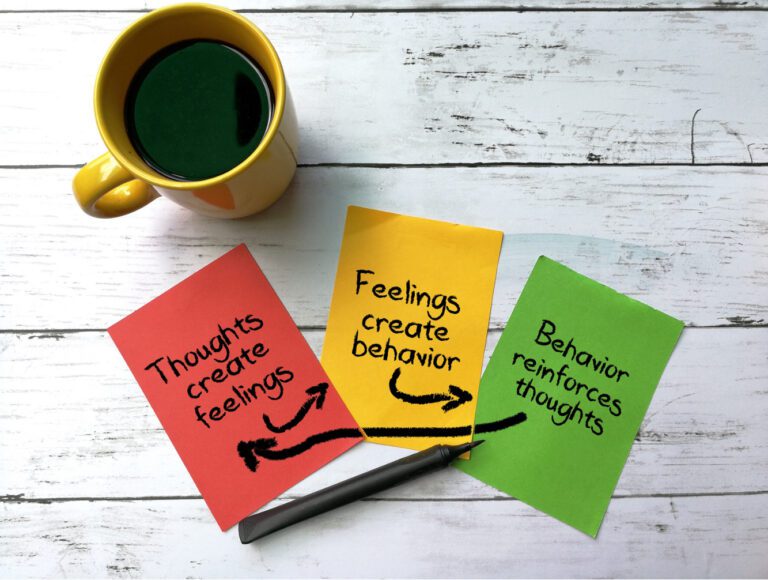
The sensations increase the fear, and the fear intensifies the sensations.
Understanding this cycle is an important part of therapy. Rather than treating the symptoms as something inexplicable or dangerous, we begin to understand what is happening and what keeps the pattern going.
Symptoms of Panic Attacks
The experience differs from person to person, but symptoms commonly include:
- chest pain or discomfort
- chills or sensations of heat
- a feeling of choking
- dizziness, light-headedness or feeling unsteady
- fear of dying
- fear of losing control
- feeling detached from yourself or your surroundings
- nausea or abdominal discomfort
- numbness or tingling sensations
- palpitations or a pounding heart
- shortness of breath or a feeling of being unable to get enough air
- sweating
- trembling or shaking
The physical symptoms are real. Understanding why they are happening often helps reduce some of the fear surrounding them.
When Fear of Panic Becomes Part of the Pattern
After experiencing a frightening panic attack, it is understandable to become alert for signs that another one is beginning.
A person may start monitoring their breathing or heartbeat, avoiding certain places, needing someone with them, sitting close to exits or changing everyday activities to feel safer.
These strategies often make sense at first. They are attempts to prevent another frightening experience.
Over time, however, life may become increasingly restricted by the effort to avoid panic.
Therapy looks not only at the panic attack itself, but also at the anxiety, expectations and protective behaviours that have developed around it.
Looking Beyond the Immediate Symptoms
Panic does not necessarily have one single underlying cause.
For some people it develops during a period of prolonged stress. For others, anxiety has been present for a long time. Earlier experiences, emotional patterns, relationships, beliefs about safety or control, and current circumstances may all form part of the picture.
The work is therefore not based on fitting every person into the same explanation.
Methods are chosen for the person, not the diagnosis.
Understanding what is happening for that individual helps determine how the therapy proceeds.
Hypnotherapy and Psychotherapy for Panic Attacks
Clinical Hypnotherapy and Psychotherapy provide different ways of working with the thoughts, feelings and physical responses associated with panic.
Hypnotherapy uses focused attention and relaxation while you remain aware and in control. Within therapy, this creates an opportunity to work differently with feared sensations, imagery, emotional responses and expectations about what might happen.
Psychotherapy provides space to explore the wider pattern — what was happening when the panic began, what maintains the anxiety now, and whether earlier experiences or relationships are relevant to the way the person responds in the present.
Depending on the individual, the work may draw from Clinical Hypnotherapy, Analytical Hypnotherapy, Psychodynamic Psychotherapy, CBT – Enhanced with Hypnotherapy, relaxation, imagery or other therapeutic approaches.
There is no fixed script.
Moving Beyond the Fear of the Next Attack
The aim is not simply to suppress a panic attack when it appears.
Therapy focuses on developing an understanding of the pattern, reducing the fear surrounding the physical sensations and addressing the anxiety and protective behaviours that have grown around them.
As the experience begins to make more sense, the panic response often becomes less mysterious and less dominant.
The person begins to relate differently to what is happening rather than living in anticipation of the next attack.
If panic attacks or the fear of another attack are beginning to restrict your life, you are welcome to get in touch and discuss whether working together feels right.
Book a Confidential Consultation
For WordPress
Primary category: Anxiety & Panic
Optional second category: Hypnotherapy
Tags:panic attacks · panic attack symptoms · fear of panic · anxiety · clinical hypnotherapy