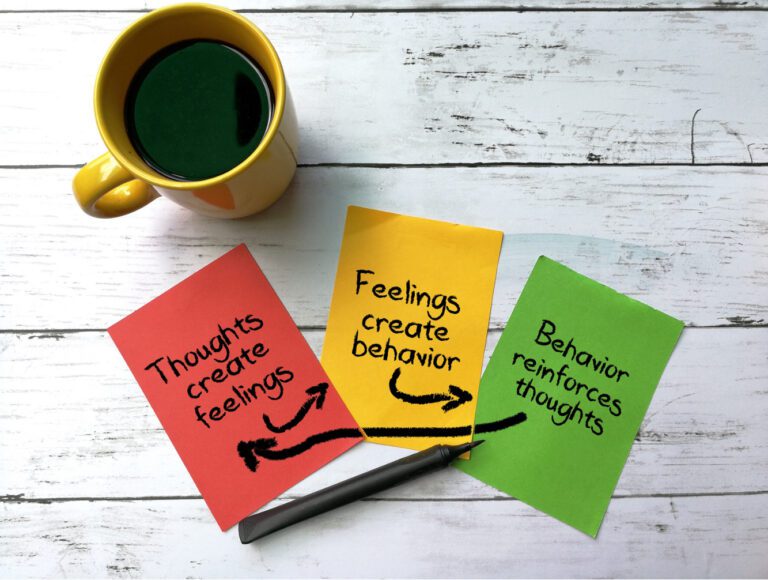

Why do I feel anxious when everything in my life is fine?
Understanding how childhood experiences can shape the anxiety we feel today.
Sometimes anxiety is most noticeable when life is relatively calm.
You find it difficult to sit still or relax. There always seems to be something else that needs doing, something to organise or prepare for, as though staying one step ahead might prevent future stress.
Everything may appear to be going well. Work is manageable, relationships are stable and there is no obvious reason to worry. Yet you feel unsettled, tense or unable to fully unwind.
Many people I work with are capable, responsible adults who appear to be managing life well. They support others, meet expectations and keep everything running smoothly.
Privately, however, they may experience a constant sense of unease that is difficult to explain.
Anxiety is not always about the present
Our emotional responses are shaped not only by what is happening now, but also by what we have experienced and learned in the past.
During childhood, we develop ways of understanding ourselves, other people and the world around us.
If life felt unpredictable, you may have learned to remain alert. If criticism was common, you may have become particularly sensitive to making mistakes. If keeping others happy helped you feel secure, you may have learned to put your own needs aside.
These responses often develop for understandable reasons.
What once helped us cope may later become the thing that restricts us.
When old patterns continue into adulthood
The child who learned to anticipate difficulties may become an adult who constantly worries about what could go wrong.
The child who needed to achieve to feel accepted may become an adult who struggles with perfectionism.
And someone who learned to avoid conflict may find themselves continually putting other people’s needs before their own.
These patterns can become so familiar that you begin to see them as part of your personality rather than something you learned along the way.
Even when life changes and circumstances improve, the emotional responses can remain.
This may help explain why you can continue to feel anxious even when your present life is safe and relatively settled.
Understanding what lies beneath the anxiety
Breathing techniques, relaxation and other coping strategies can be helpful. But when anxiety is connected to longstanding emotional patterns, managing the symptoms may not fully address what is contributing to them.
In my work, combining analytical hypnotherapy and psychotherapy, I explore the experiences and feelings that may have shaped these patterns.
For some people, this involves looking at earlier childhood experiences and emotions that were difficult to express or process at the time.
The purpose is not to blame the past or assume that every difficulty has its origins in childhood. It is to understand how certain responses developed and why they may still be influencing the way you feel today.
Understanding why a pattern developed can help us replace self-criticism with compassion.
Moving beyond old responses
When you begin to understand the experiences behind your anxiety, it can become easier to recognise when an old fear or learned response is influencing how you feel in the present.
Therapy can help you explore and process difficult emotions, reconsider beliefs formed earlier in life and gradually develop different ways of responding.
Change does not mean erasing the past.
It means becoming less influenced by emotional patterns that may no longer serve you.
If you feel anxious despite having a life that appears fine, there may be more to understand beneath the surface. Understanding can be a meaningful place to begin.