


How Hypnotherapy Helps With Childhood Trauma

If you feel like you are carrying emotional pain from your past, whether in the form of low self-worth, anxiety, or difficulties in relationships, your childhood experiences may be affecting you.
When emotional needs in childhood go unmet, it can leave a lasting impact that follows us into adulthood.
The good news is that it is never too late to heal those old wounds. Hypnotherapy offers a powerful way to release emotional childhood trauma and feel good.
During childhood, we rely on our caregivers to meet our emotional needs for love, nourishment safety, and validation. When those needs are not met for whatever reason, children adapt to survive. These coping mechanisms, while necessary at the time, often create patterns that follow us into adulthood and limit our ability to thrive.
- Low self-worth: If you grew up without consistent love or validation, you may struggle with feelings of inadequacy, constantly seeking approval from others to feel worthy.
- Difficulty in relationships: Unmet needs in childhood can lead to fear of intimacy, trust issues, or emotional distance in adult relationships. You may struggle to form deep, meaningful connections or fear abandonment.
- Perfectionism and people-pleasing: When children do not feel valued, they often learn to seek approval through perfectionism or people-pleasing, always trying to meet others’ expectations to feel secure.
- Chronic anxiety or numbness: Childhood trauma can lead to living in a constant state of anxiety or emotional detachment, as your nervous system stays on alert to avoid further pain or disappointment.
These behaviours are often deeply ingrained and difficult to change on your own because they are tied to emotional wounds stored in your subconscious. Sometimes we simply have no awareness of what we are doing because we have been doing it for so long. However, with the right therapeutic approach, you can heal and move beyond the patterns that no longer serve you.
The Path to Healing Through Emotional Release
Healing from unmet childhood needs is not about understanding what happened; it is about releasing the emotional pain that has been felt and repressed in your mind and body for years.
The emotions that were too overwhelming to process at the time—such as fear, sadness, or anger—are often repressed, affecting your thoughts, behaviours, and even physical health.
Hypnotherapy is a powerful tool for releasing these suppressed emotions. By working directly with the subconscious mind, hypnotherapy allows you to access and heal emotional pain in a safe and supportive environment.
Why Hypnotherapy is Effective in Releasing Emotional Trauma

Hypnotherapy for childhood Trauma
Hypnotherapy works by guiding you into a deeply relaxed state where the conscious mind—the part that often blocks painful memories and emotions—steps aside. In this relaxed state, the subconscious becomes more accessible, allowing you to release old emotional pain and rebuild healthier beliefs and behaviours.
How hypnotherapy can help:
- Accessing suppressed emotions: Hypnotherapy allows you to safely access emotions. By bringing these emotions to the surface, you can finally acknowledge and release them, freeing yourself from their grip.
- Creating a safe space for healing: In a hypnotherapy session, you are guided through your memories and emotions in a safe, supportive environment. This helps you revisit painful childhood experiences without fear or judgment, allowing for deeper healing.
- Healing the inner child: Often, the emotional wounds we carry come from the younger version of ourselves—the inner child who still holds the pain of unmet needs. Hypnotherapy helps you connect with that inner child, offering them the love, care, and validation they didn’t receive growing up.
- Reprogramming limiting beliefs: Once you have released old emotional pain you are ready to create powerful, beneficial thoughts and feelings that serve you replacing old feelings such as “I’m not good enough” or “I don’t deserve love”—with new, empowering beliefs that reflect your true worth.
The Benefits of Engaging in Therapy
- The process of healing from childhood trauma is liberating. As you release old emotions and rebuild your sense of self, you will begin to experience a profound shift in how you live and interact with the world.
- Greater emotional freedom: By releasing the emotional pain stored in your subconscious, you will feel lighter, more present, and less weighed down by the past.
- Improved relationships: Healing old wounds allows you to form healthier, more fulfilling relationships. You will no longer feel the need to prove your worth or fear vulnerability in your connections with others.
- Enhanced self-esteem and confidence: As you reprogram your subconscious with healthier beliefs, you’ll begin to see yourself in a new light—one of self-compassion, confidence, and worth.
- Reduced anxiety and stress: Once your emotional wounds are addressed, you will experience a reduction in anxiety and stress, allowing you to live with more peace and calm.
Take the First Step Towards Healing
If you are struggling with low self-worth, anxiety, or difficulty in relationships, unmet childhood needs may be playing a larger role than you realise. Maybe now is the time for change.
Therapy offers a compassionate and effective way to release the emotional pain of the past and begin living with greater freedom and authenticity.
Healing is a journey, and each step you take brings you closer to the life you deserve, one where you feel worthy, loved, and emotionally free. If you are ready to start your healing journey, hypnotherapy can provide the support and tools you need to finally let go of the past and enjoy living your life.
Healing from Childhood Trauma is Liberating
Sinead Duffy, Hypnotherapist & Psychotherapist
+353872455900
Enhancing CBT with Hypnotherapy
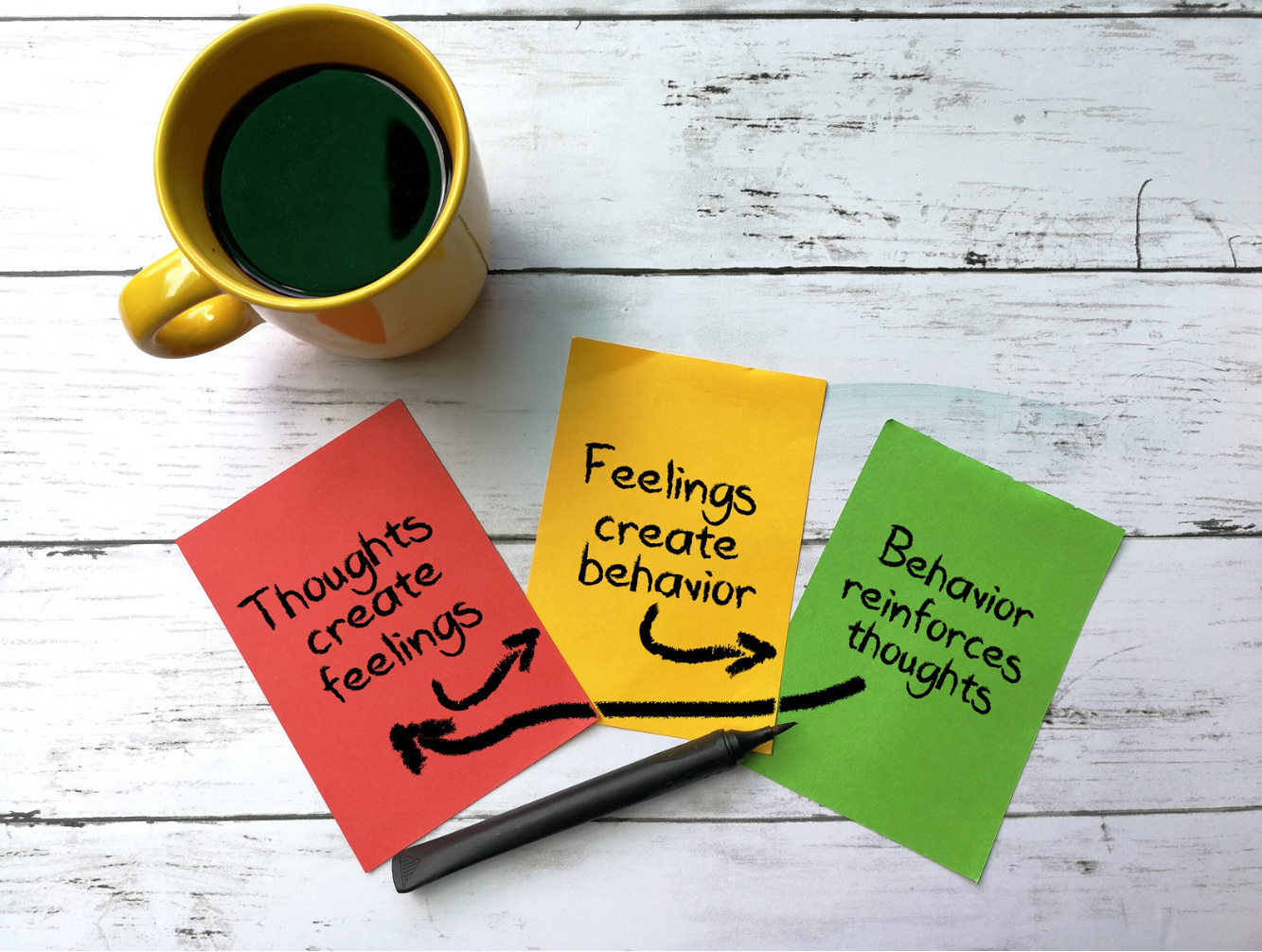
In the world of psychology, new approaches continually emerge, offering new pathways to healing and personal growth. One such approach gaining attention is Enhanced Cognitive Behavioral Therapy (CBT) whereby aspects of hypnotherapy and CBT are used together. This dynamic combination integrates the principles of traditional CBT with the profound effects of hypnosis, creating a powerful tool for therapists and clients alike.
At its core, CBT focuses on the connection between thoughts, feelings, and behaviors. By identifying and challenging negative thought patterns, individuals can transform their emotional responses and actions, leading to improved mental well-being. Hypnotherapy, on the other hand, harnesses the power of deep relaxation to access the subconscious mind, where underlying beliefs and emotions reside.
How Does Hypnotherapy-Enhanced CBT Work in Practice?
- Deep Relaxation: Through hypnosis, clients enter a state of deep relaxation, enabling them to access a heightened state of awareness and receptivity. This relaxation serves as a foundation for therapeutic work, fostering a sense of calm and safety.
- Exploring the Subconscious: Hypnosis allows therapists to delve into the subconscious mind, where deeply ingrained beliefs and memories are stored. By accessing this level of awareness, clients can gain insight into the root causes of their issues, paving the way for profound healing.
- Enhanced Imagery: Hypnosis amplifies the power of imagery techniques commonly used in CBT. Clients can vividly visualise positive outcomes, confront fears, and rehearse new behaviours, making cognitive restructuring more impactful and transformative.
- Behavioural Rehearsal: Hypnotherapy facilitates mental rehearsal, empowering clients to practice new behaviours and coping strategies in the safety of their imagination. This rehearsal builds confidence and resilience, preparing clients for real-life challenges.
- Empowerment and Self-Efficacy: Through the process of Enhanced CBT with hypnotherapy, clients develop a deeper understanding of their thoughts, emotions, and behaviours. This self-awareness fosters a sense of empowerment and self-efficacy, empowering clients to take control of their lives and make positive changes.

By integrating the strengths of both CBT and hypnotherapy, a comprehensive and holistic approach is available to address psychological issues. This blend of modalities opens doors to new possibilities for healing, growth, and well-being.
To book your CBT and hypnotherapy session contact me.
#CBT #Hypnotherapy #EnhancedCBT #MentalWellness #HypnotherapyMonaghan #PsychologicalHealing #SubconsciousMind #TherapeuticInnovation #SelfDiscovery #HolisticApproach #EmotionalWellBeing #PositiveChange #TherapistInsights #MindBodyConnection #PersonalGrowth #TherapeuticTechniques
How OCD Interferes with Daily Living
Hypnotherapy for OCD: A Natural Way to Break Free from Obsessive Thoughts and Compulsions
If you live with Obsessive Compulsive Disorder (OCD), you know how overwhelming intrusive thoughts and repetitive behaviours can be. These unwanted thoughts often create intense anxiety, which leads to compulsive actions that you feel driven to perform to ease that anxiety. Unfortunately, the relief is usually short-lived, and the cycle begins again.
This loop of anxiety, obsessive thinking, and compulsive behaviours can interfere with daily life and make it feel exhausting. Anyone who suffers with intense anxiety will tell you how it can feel more draining than a days physical work.

Hypnotherapy and CBT Treatment for OCD
.
What Is OCD and How Does It Affect Daily Life?
OCD affects around 2–3% of the population, with symptoms often beginning in childhood and early adulthood. It impacts both men and women and can take many forms, from obsessive cleaning, excessive handwashing, checking, hoarding to intrusive distressing unwanted thoughts.
Many public figures have opened up about living with OCD, including David Beckham, George Ezra, Justin Timberlake, Charlize Theron and Howie Mandel helping to reduce the stigma and encouraging others to seek help. Living in OCD can interfere with work, study, relationships, confidence and self-worth
Common Types of OCD Symptoms
Obsessions – Unwanted, Anxiety Causing Thoughts
- Fear of causing harm (aggressive thoughts)
- Fear of contamination (germs, dirt, illness)
- Unwanted sexual or religious thoughts
- Obsession with symmetry or exactness
- Health anxiety or body image fixation
- Hoarding and excessive collecting
Compulsions – Repetitive Actions to Reduce Anxiety
- Excessive cleaning or handwashing
- Checking locks, switches, or appliances repeatedly
- Repeating words, prayers, or actions
- Counting or doing things a specific number of times
- Arranging or ordering items in a certain way
- Mental rituals such as silent repetition or reviewing past events
How Can Hypnotherapy Help with OCD?
Hypnotherapy and psychotherapy are effective tools for managing OCD. Unlike medication, hypnotherapy works to gently uncover and address the underlying anxiety that drives obsessions and compulsions. It helps rewire the brain’s stress response by interrupting the repetitive loop that overrides logical thinking.
Hypnotherapy offers an effective natural, empowering solution to the overwhelming feelings of OCD.
Start Your Healing Journey
If you’re struggling with OCD and looking for support that addresses both the mind and body, hypnotherapy may be the solution you’ve been searching for.
Hypnotherapy and psychotherapy is an effective treatment available for those suffering with the debilitating effects of anxiety related OCD. The aim of the approach used in hypno-psychotherapy is to address the cause of the anxiety and to interrupt the continual looping that is overriding the brain’s frontal thinking cortex. This looping referred to is shown in the circular OCD diagram above.
I’m Sinead Duffy, a Clinical Hypnotherapist and Psychotherapist based in Monaghan Town, with over 20 years’ experience helping clients break free from anxiety, emotional pain, trauma, obsessive thoughts, and compulsive behaviours.
Let’s work together to restore calm, confidence, and peace of mind.